
How To Trade in The Stock Market: A Guide For Beginners
Many get lured by the phenomenal returns of stock markets in hopes of getting easy and huge profits while trading. Trading does gives high returns within small time if executed correctly, but there always a risk of huge loss when one lacks sufficient knowledge. To reduce this risk of loss, it is necessary to learn basics of trading. So, in this blog post we’ll know how can a beginner trade in stock markets?
For trading, it is necessary to understand what technical analysis is. This refers to price and volume pattern analysis to identify trading opportunities. In simpler words, it helps to determine whether the price will rise or fall in the short-term future. This analysis helps to determine which stocks to buy or sell.
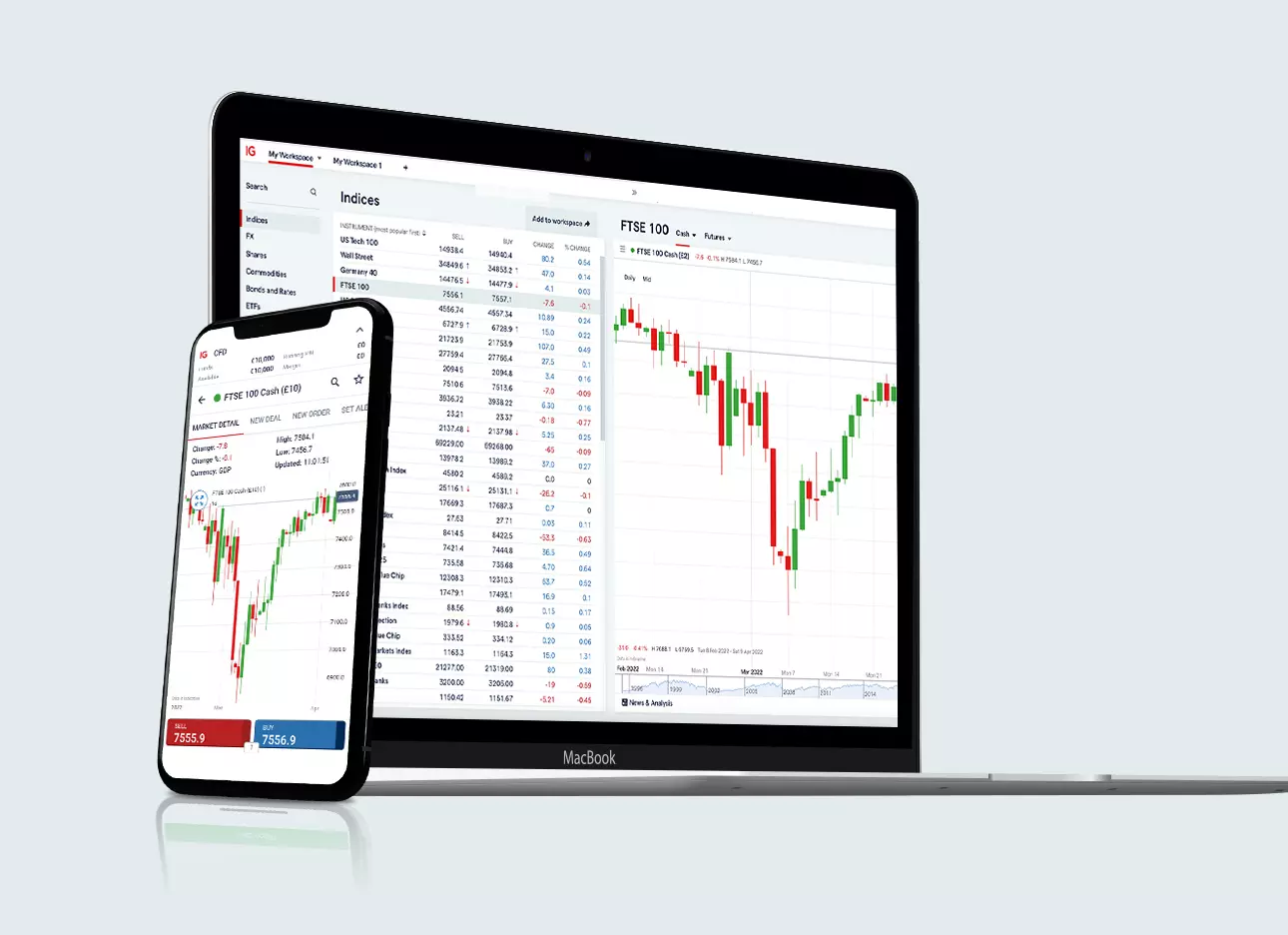
For technical analysis, the skill to read stock charts is vital. A stock chart is a graphical representation of an asset’s price over a period. Simply stated, it is a price chart of an asset. This asset might be a stock, commodity, currency pair, index, or a derivative. One can add several tools and parameters in this chart to make decision-making easier.
Different people are engaged in different styles of trading. Everyone has their own style. It depends upon the personality type, skills, level of discipline, available capital, risk tolerance and expected rate of return of the trader. One can start by copying one’s trading style but eventually their own style will emerge from that.
Different trading horizons include – Positional trading, Swing trading and Intraday trading. In positional trade, traders hold their trading position for about more than a week or month. They capitalize on bigger market swings to earn profits. In swing trading, traders capitalize on relatively smaller market swings. The holding period for swing trade ranges between more than a day to a few weeks. On the other hand, Intraday trading involves squaring off a position within a day before the market closes. Intraday traders take many small positions since the rate of return in intraday trading is lesser than positional or swing trading. However, the capital requirement is also relatively low. Hence, many traders chose to do intraday trading.
As a beginner, one could start by doing any type of trading they want. This is because all of them are the same in terms of input required- patience, adherence to stop loss and faith. This will not develop in a day or two. It would require a couple hundred trades to perfect it. Thus, one should do all if they don’t have a time restriction. So, risk management in trading should be effective and efficient.
Risk management is a very important aspect of trading. Trading is not a gamble rather a game of probability. The probability of winning a trade is about 50-55%. Hence, it is necessary to keep odds in your favour by keeping the losses lower than the profits. Even if a trade goes wrong, one must have the wisdom and mindset to exit at the right time. Following are the main elements of risk management –
Entry & Exit – Entry and exit points in a stock depends on the risk-to-reward ratio of a person. Usually, one should keep a risk to reward ratio of 1:3 to avoid large loss.
For example – If you find Rs. 1,300 to be a good buy point, you kept your SL at 1% for minimal loss. Then the target should be Rs.1339 according to 1:3 risk reward. One must square off their position in event of hitting of target or SL. With more experience, skill, and knowledge of trading, one can become better and do this full time.

Related Posts

Trade loans – What are they and how can businesses use them?

How To Make Money In Stocks